

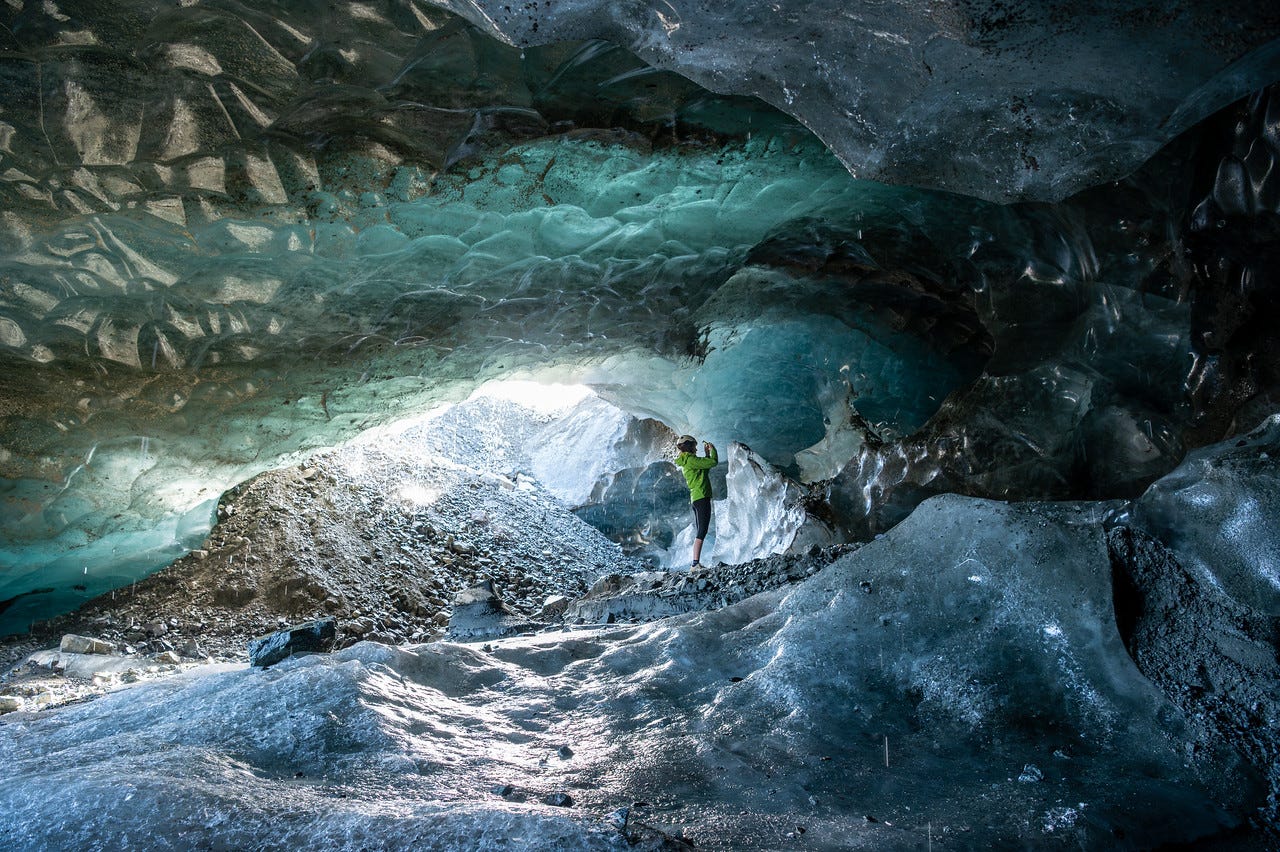
I’ve given up all hope of keeping posts in order at this point. So here we go into another post from last summer with CJ.
I recently wrote about visiting this cave with Cassidy Meyer, a little over a month ago, though we couldn't get in. We were also there with Elliott and Sam over the winter, where we saw some absolutely incredible frost and ice spike formations. It’s also a cave I’ve been visiting for about five years now. I wrote all about that in my post from our trip in June: Three Days in the Alaska Range: Day 2, Canwell Glacier Caves.
I highly recommend you check out that last article if you haven’t read it already. I provide a lot of insight into these caves and their rapid disappearance. I’m taking a slightly different direction with this post because during this visit, it was the most beautiful it has ever been, and it likely won’t survive this summer.
Sometimes I just want to pay attention to how pretty everything is.
Let’s start with the drive down.
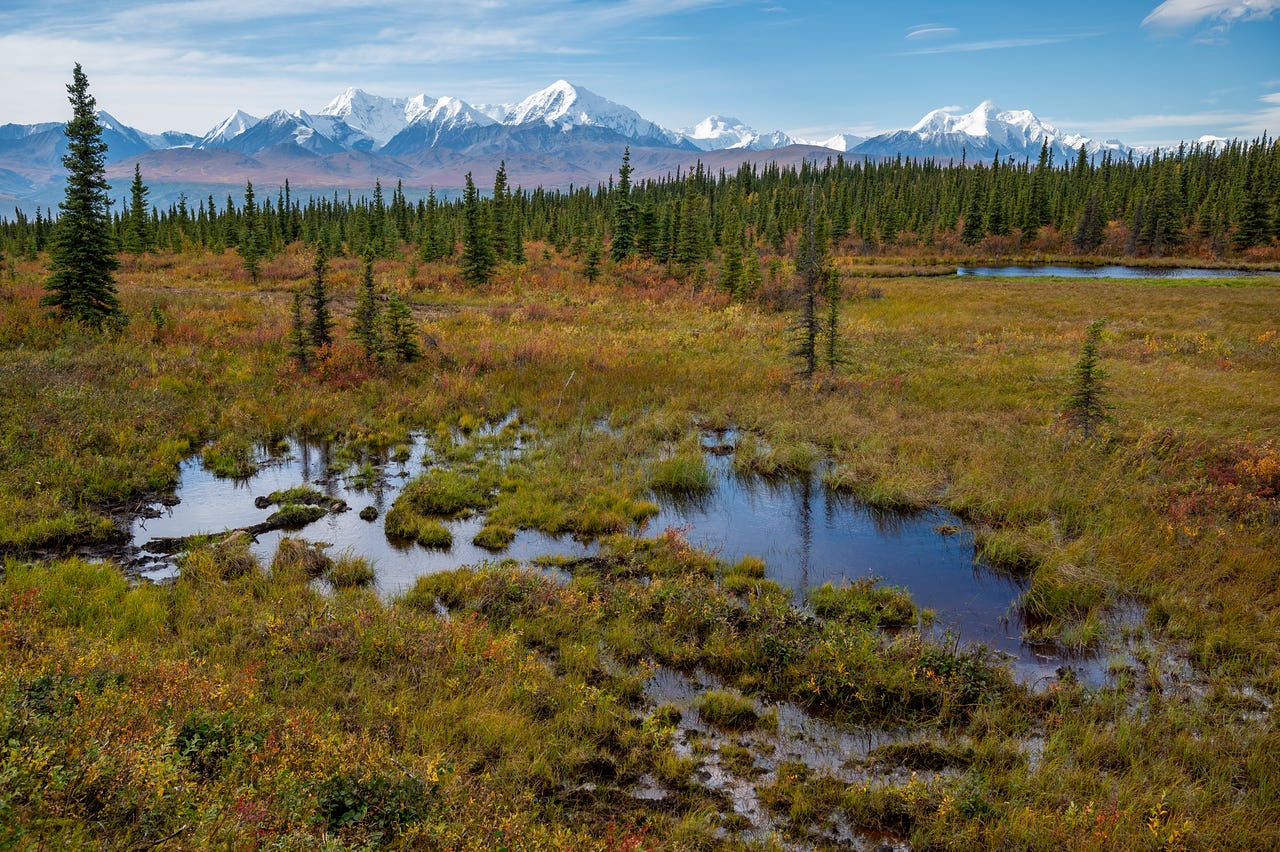
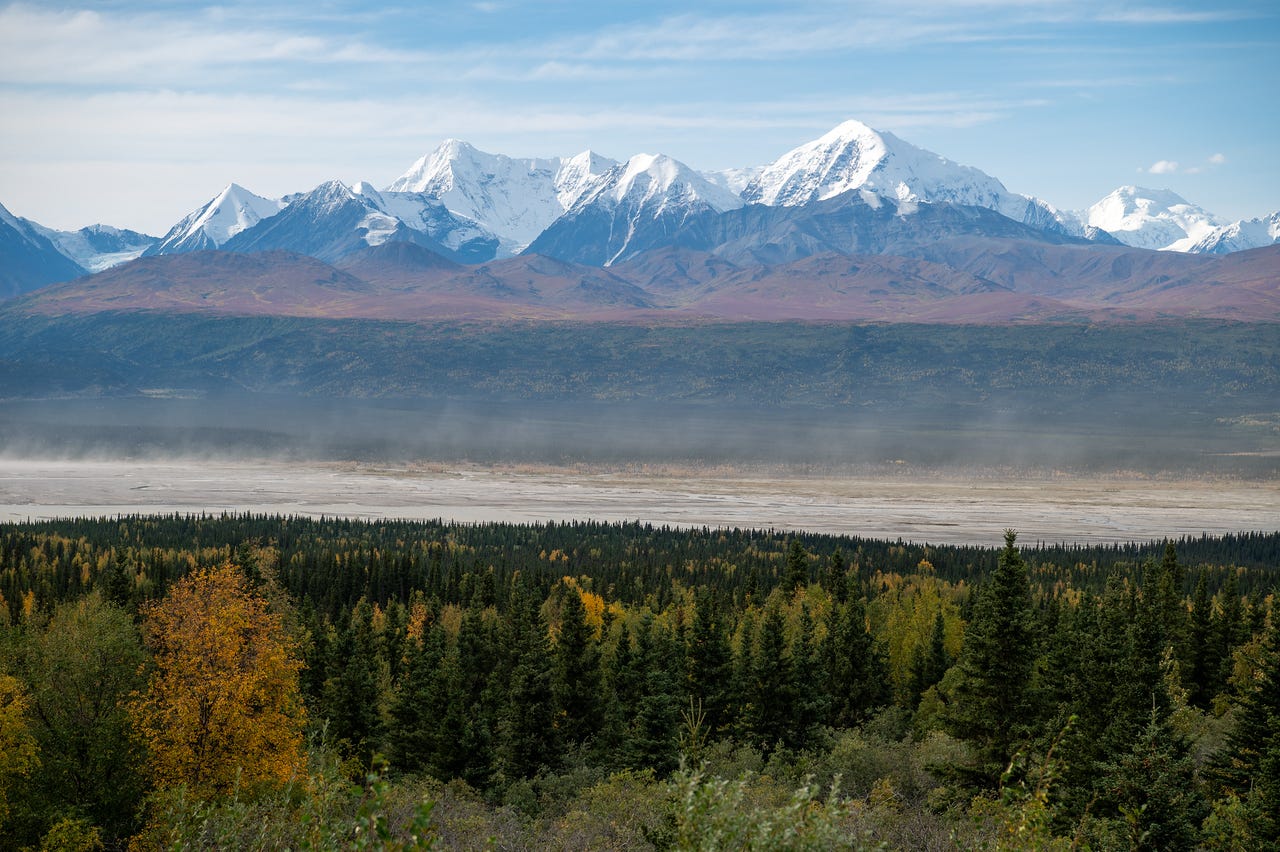
It was early September, and the fall foliage across the tundra was near its peak. No threat of rain that day, like we had most of the rest of CJ’s visit. Just really pretty colors and some serious wind in the Delta River Valley.
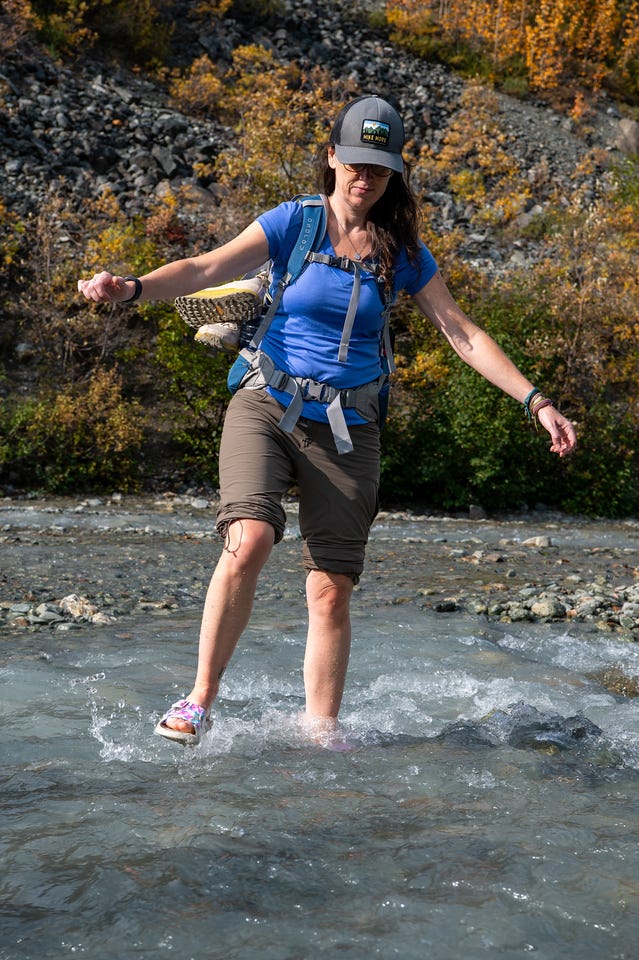
CJ knows by now that when she hikes with me, we’re usually getting wet right off the bat. This trip was no different.
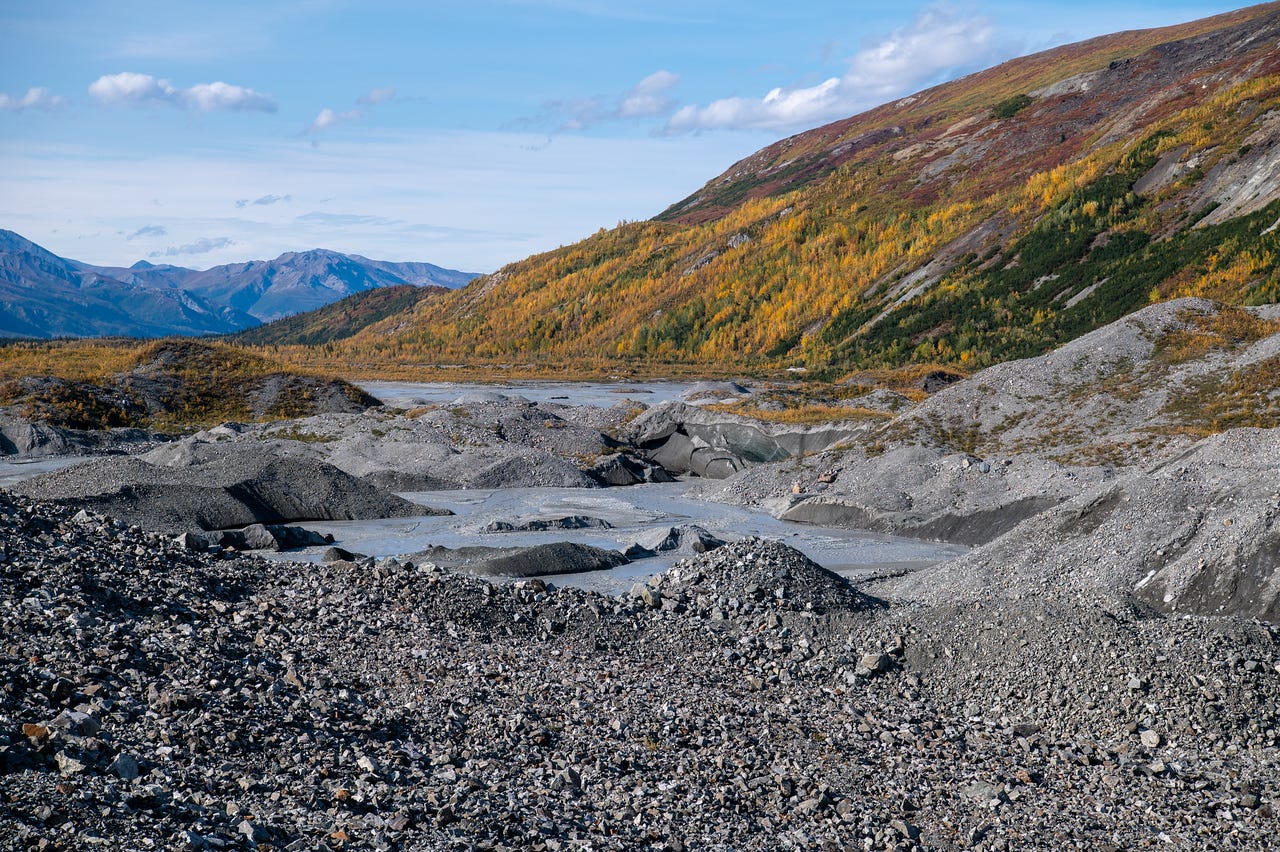
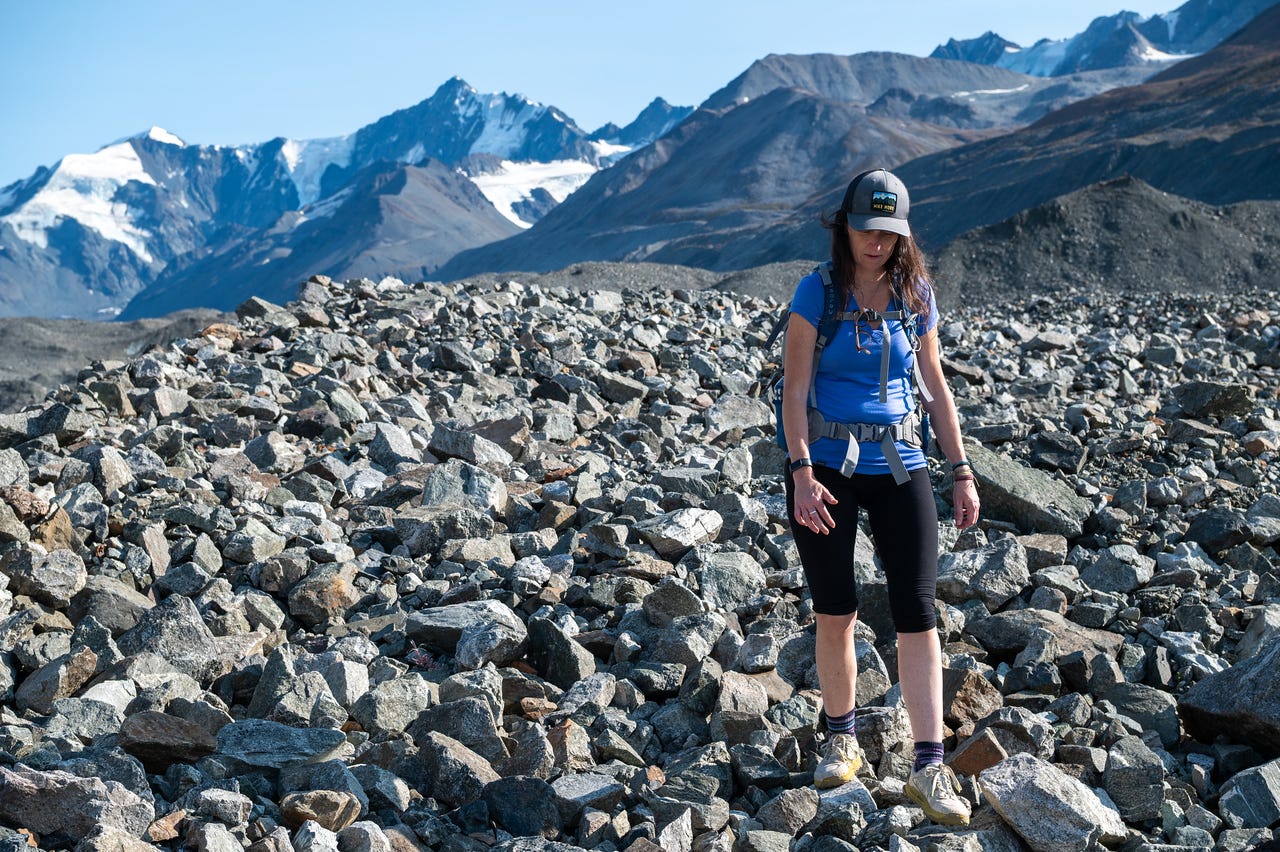
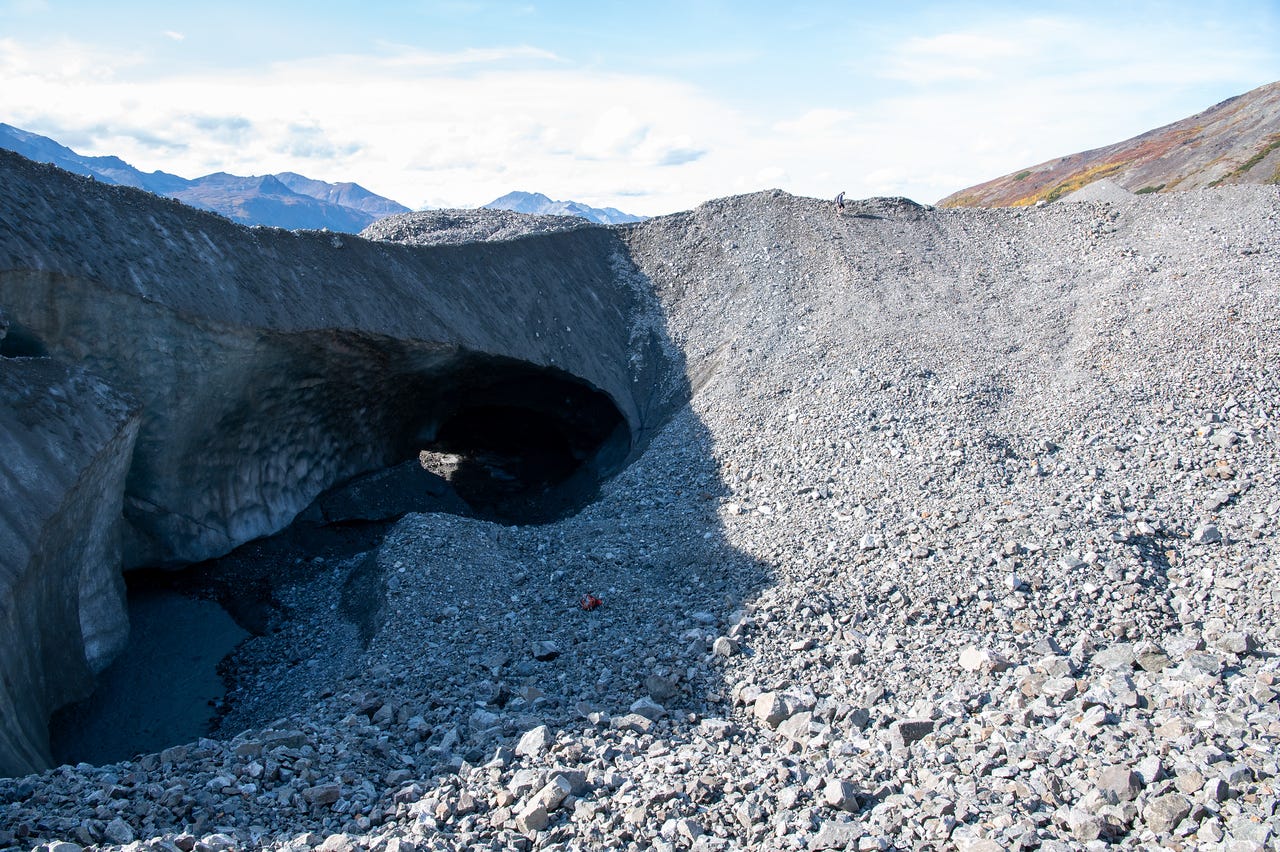
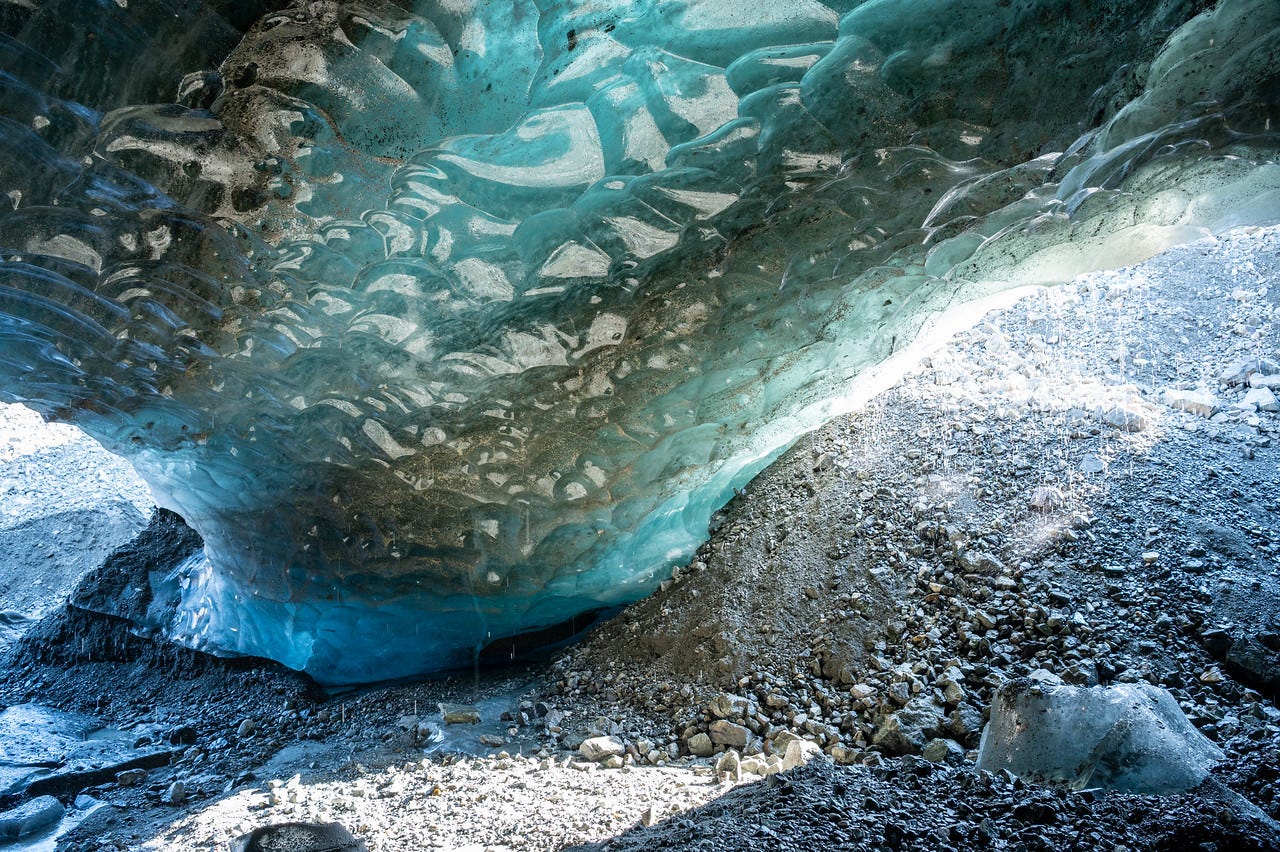
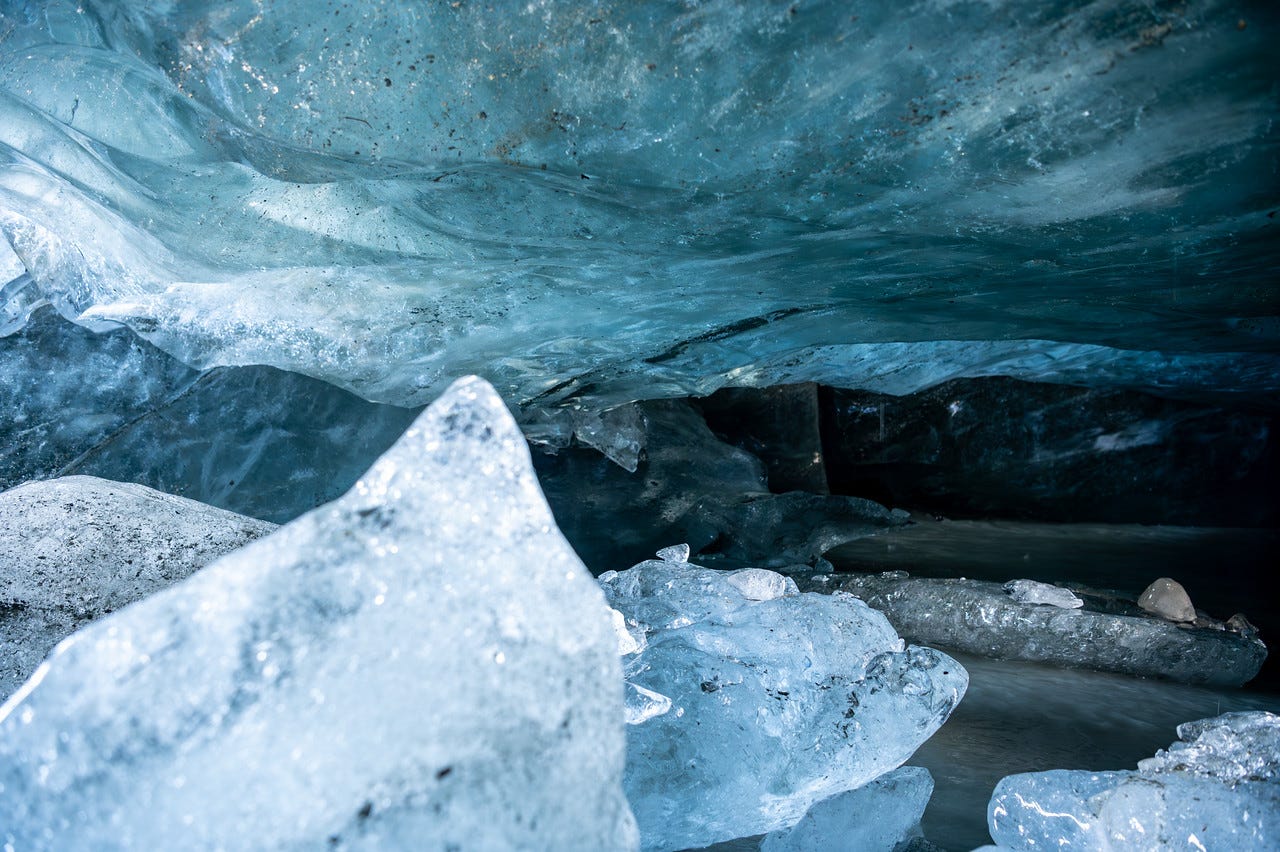
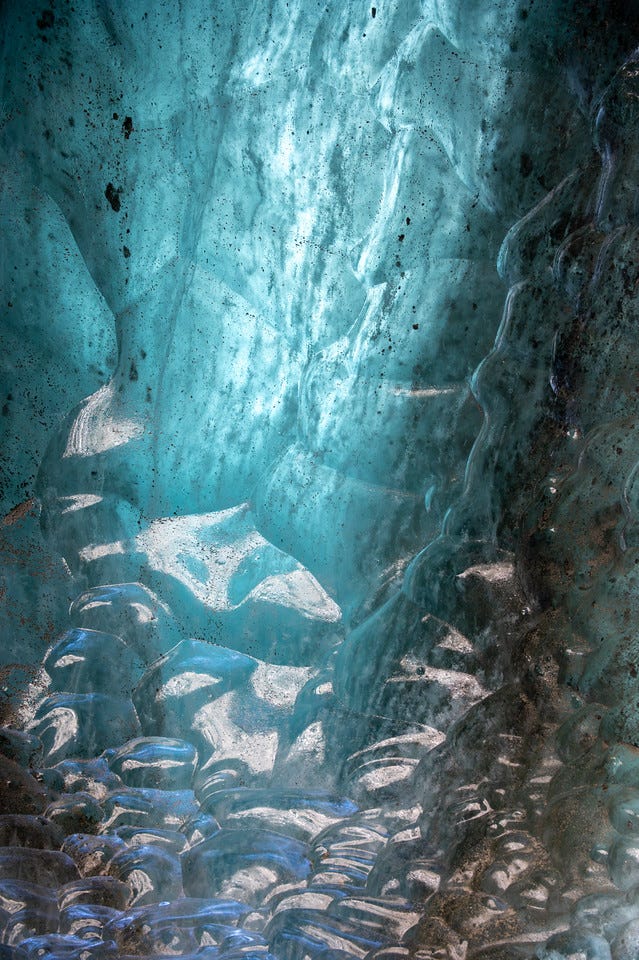
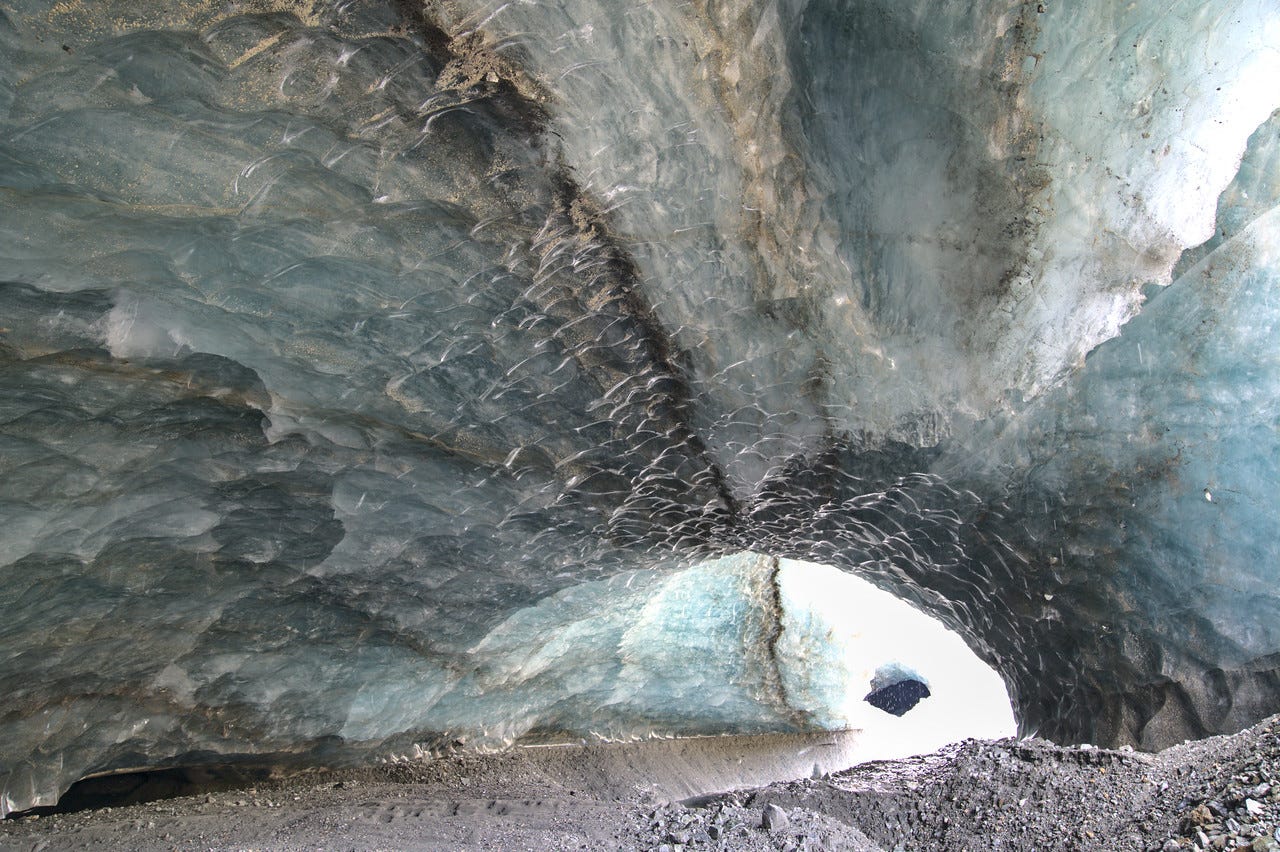
These caves look almost dreary and desolate from the outside. Gray talus and silt everywhere. No sign of life. Little bits of white or blue ice shining through, mostly covered in shadow. But once you step inside, it’s an entirely different world.
I’ve been wanting to bring CJ out to these caves since I first started visiting them about six years ago. I first took her out to the Canwell Glacier in 2014, but we hiked further up the glacier, skipping the lower moraine. That was early in the era of me making her ford streams on every hike, and she was still skeptical of the practice.
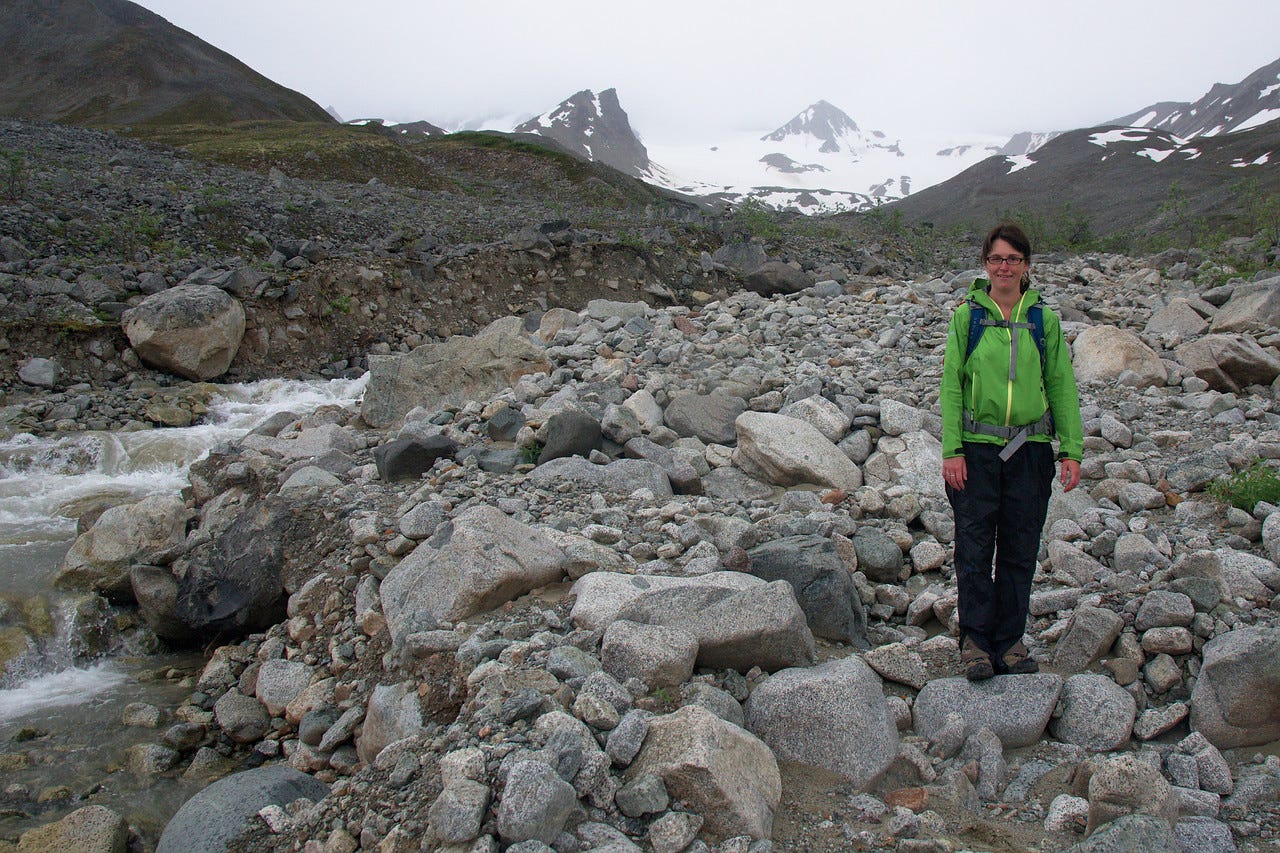
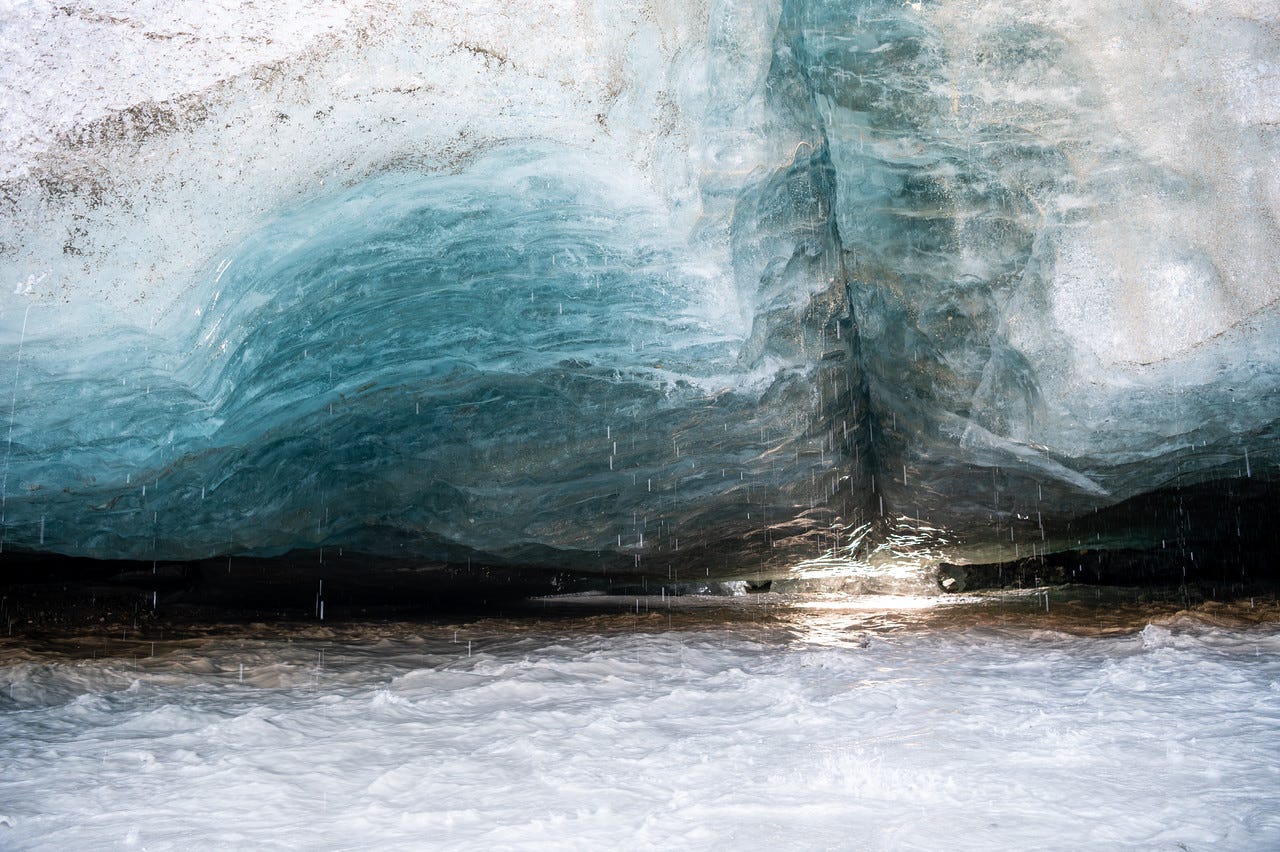
The timing was incredible. Twelve years of me dragging her across streams, and she finally got here in the one season the cave was at its best. The stream was taking a drastically different path than it was when Cassidy and I visited this year, so there was no issue getting in. It actually flowed from the “rear” entrance and then into the short passage that had all the ice crystals last winter.
There was a lot of water coming through, as you can see in the video above. Good thing, too. The way Cassidy and I tried in June wouldn't have been an option at all. The blue glow was stunning with the sun shining bright outside the cave.
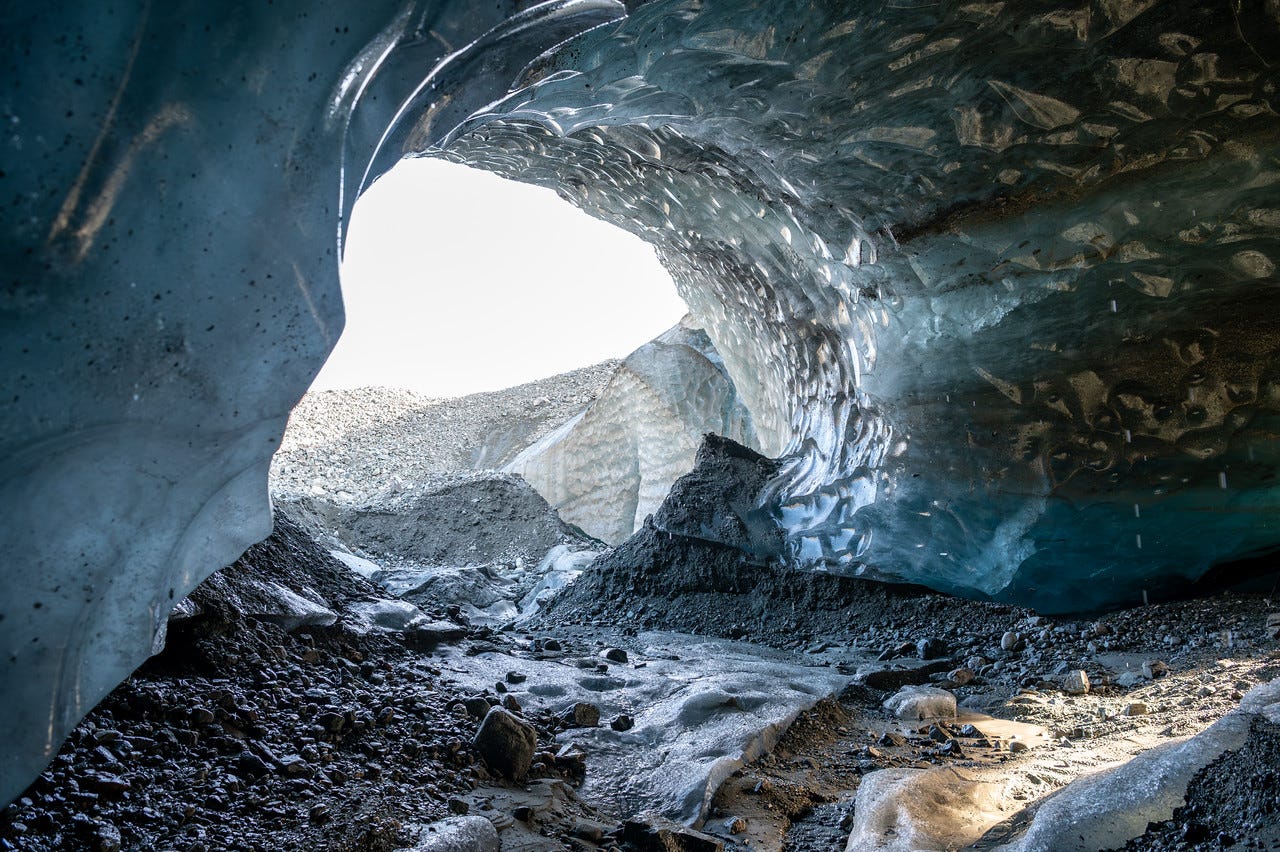
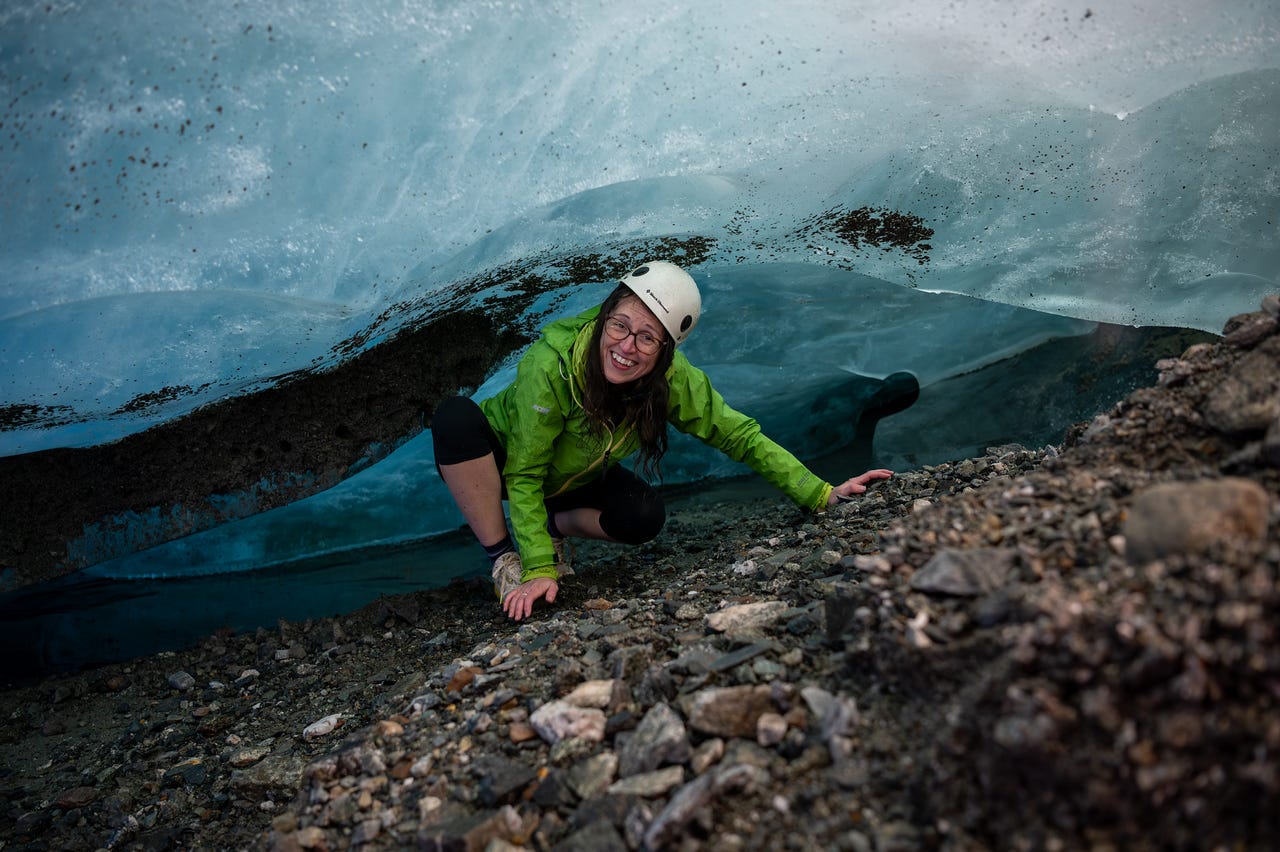
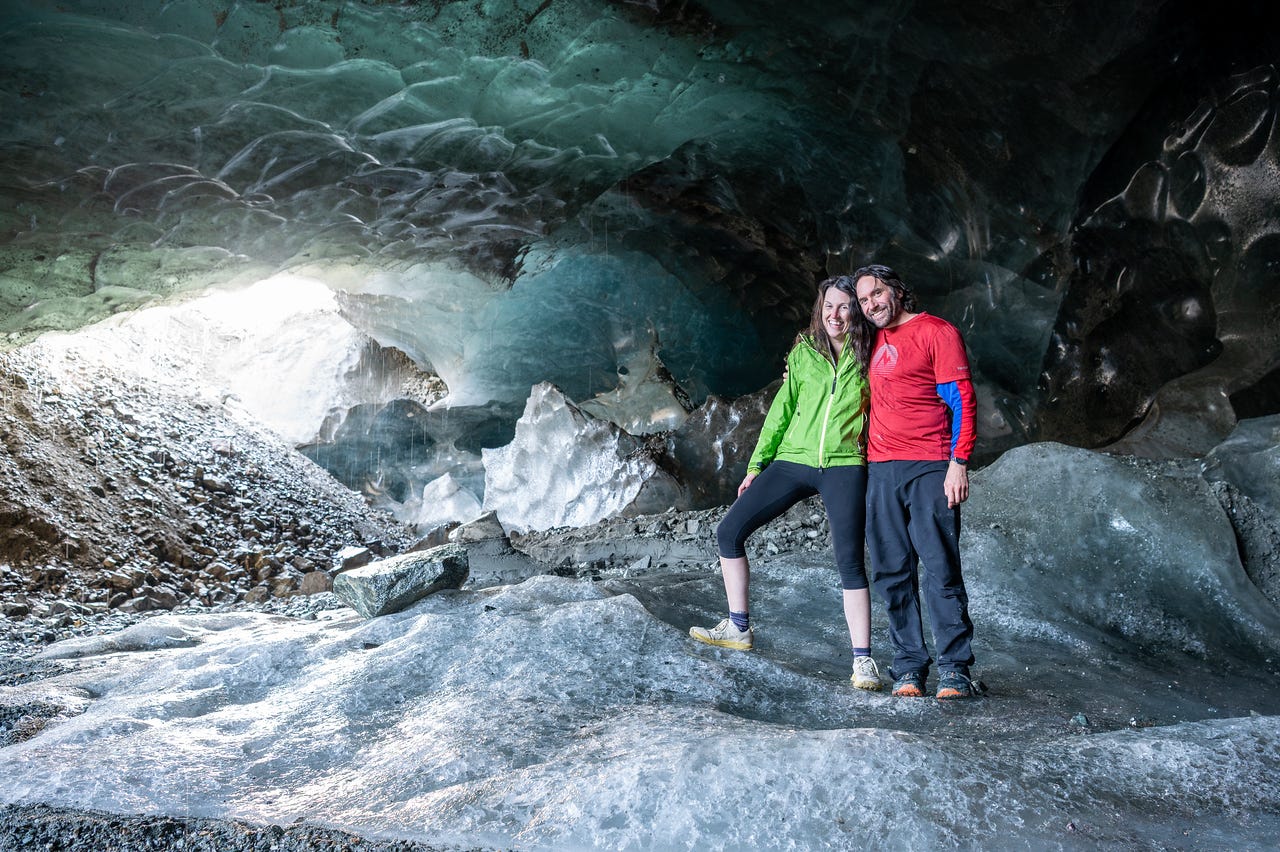
After an hour and a half of looking at ice and rocks, we decided there was enough time to walk a little more up the moraine to see what else we could find. We only made it about 0.2 miles before we found an absolutely enormous section of collapsed ice.
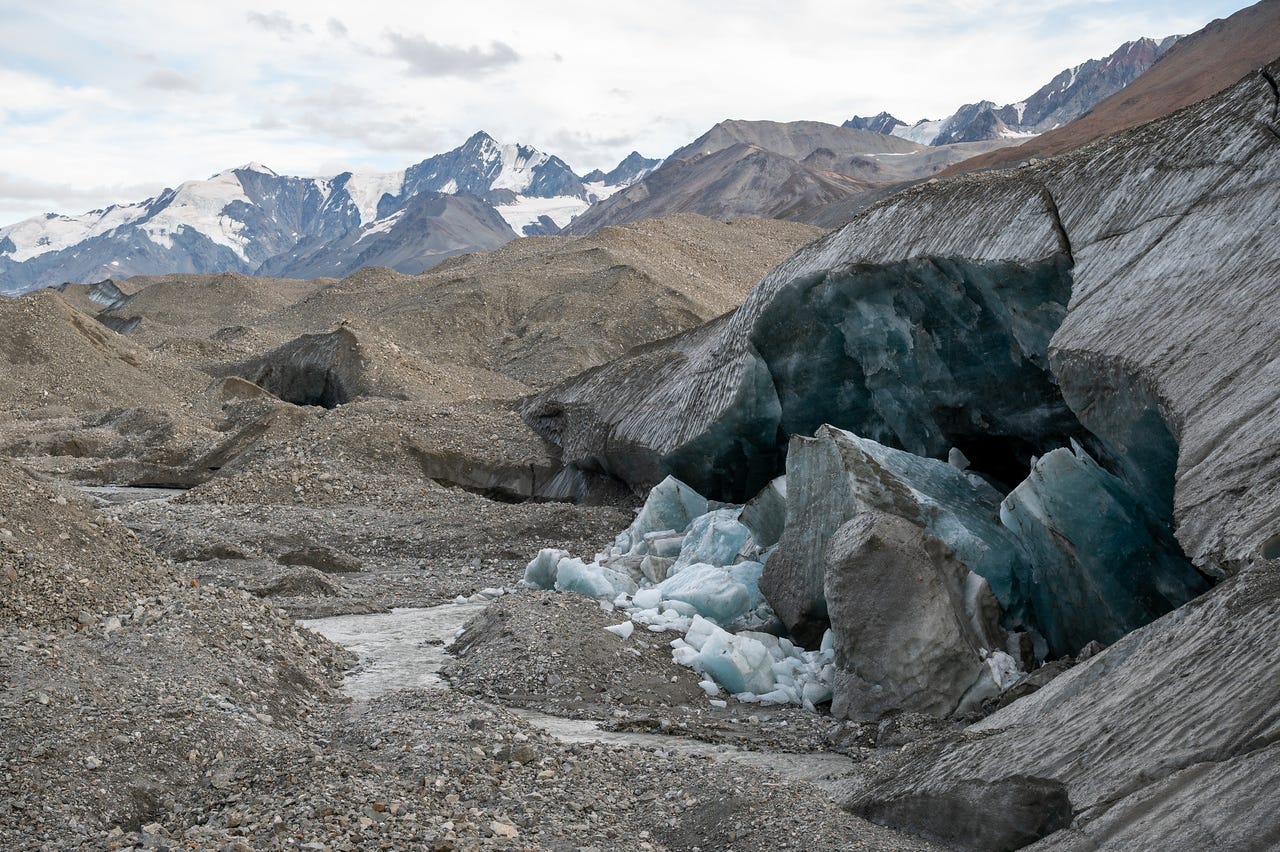
It turns out this was “Big Cave”, which I detailed in my cave article from earlier this year, back when you could still walk into it. If you want to understand how fast these systems are disappearing, and why this one won't last, that post is where I get into the glaciology.
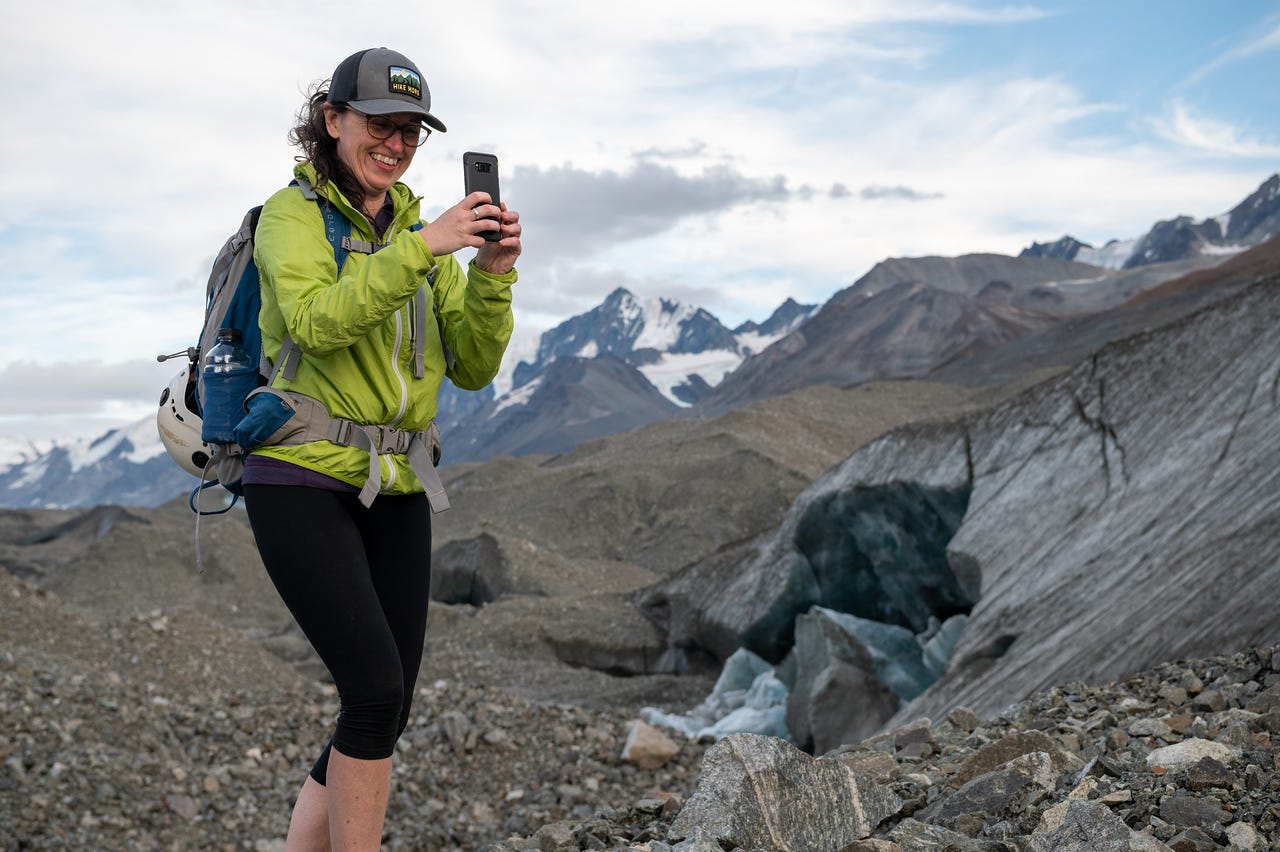
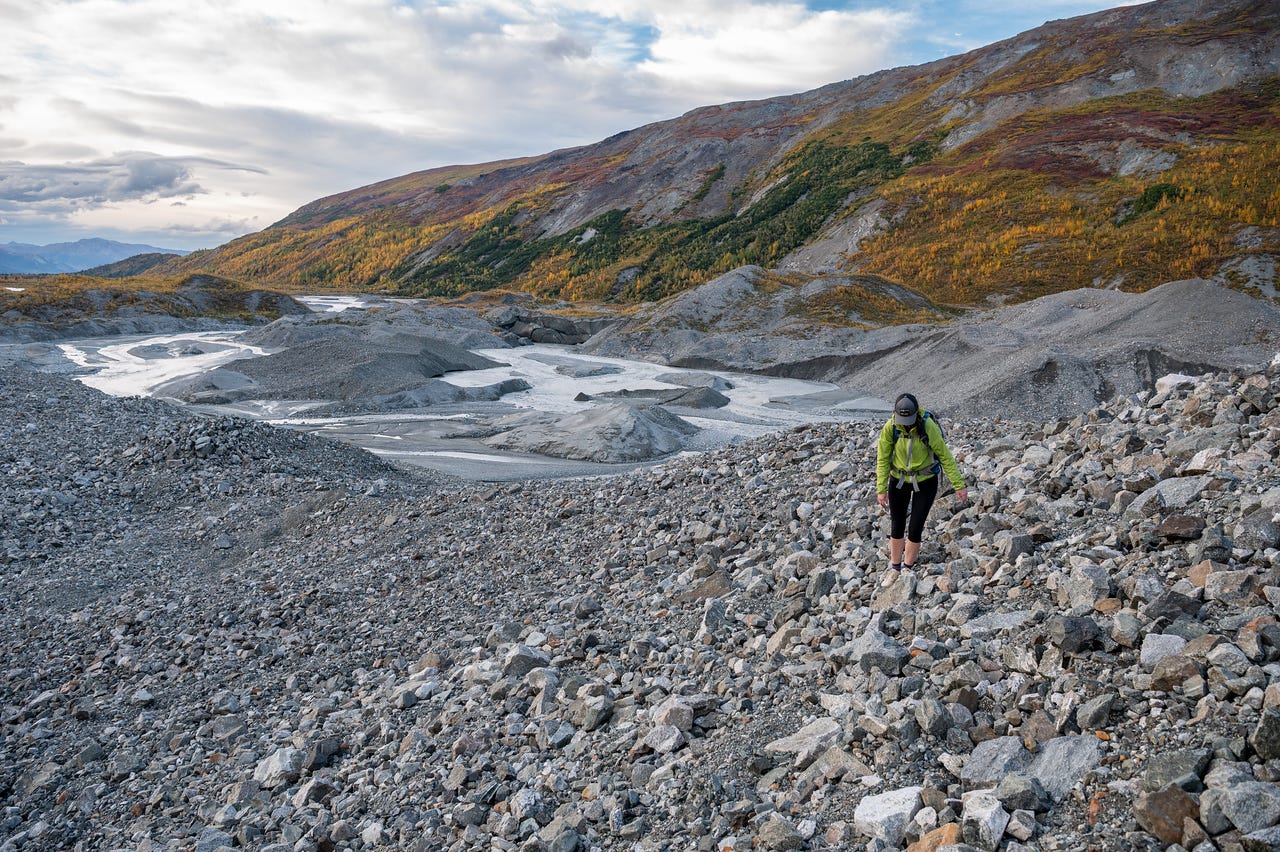
I got sad toward the end of this day. CJ’s trip was coming to an end, and she’d be flying home to New Hampshire soon. Leaving the caves, knowing that this was the last time we’d be together in the Deltas this year, not knowing how long it would be before we’d see each other again, kept me quieter on the return walk. Twenty-two years into our friendship, ridiculous banter and dead silence are about equally good with her.
I am in love with your photographs: I have a passion for water, snow & ice. My elements. It is as simple as that☺️ Thank you so much to bring me over there.